

Who’s Liable When You’re Hurt at a Temporary Retail or Food Venue?
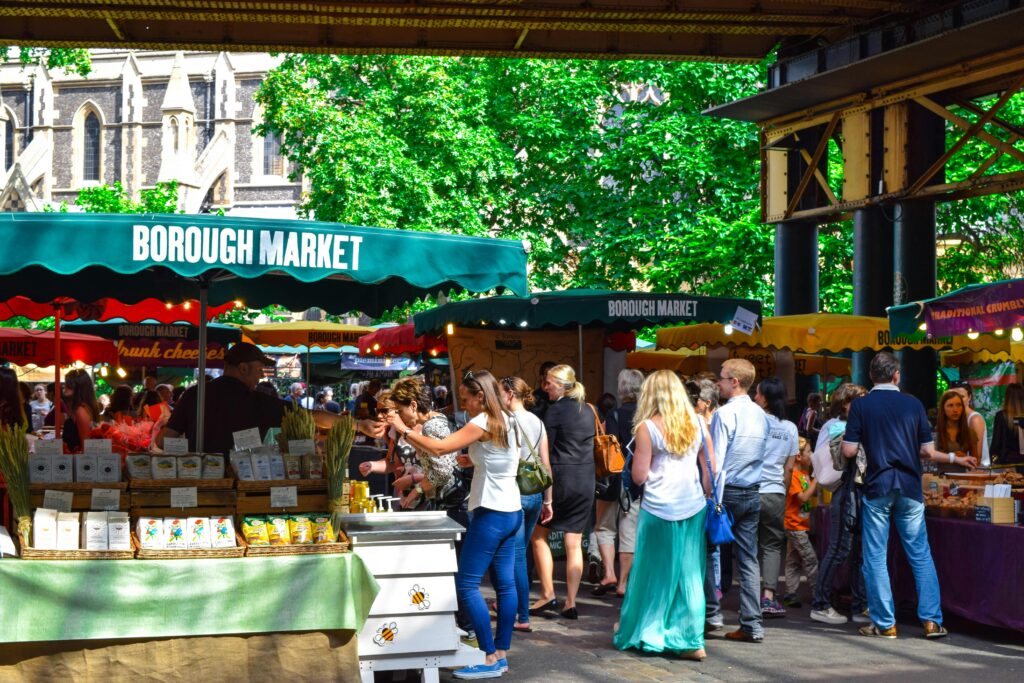
Pop-up shops, outdoor markets, and food trucks are more than just trendy—they’re a growing part of everyday commerce. Whether it’s a weekend craft fair, a seasonal farmers’ market, or a popular taco truck parked outside your office, these mobile and temporary spaces offer convenience, novelty, and great local flavor.
But what happens when something goes wrong?
What if you trip over a cord, slip on spilled food, or get burned by an overheated food container? Injuries at pop-ups or food trucks can and do happen—and because these setups are often less regulated than permanent businesses, figuring out who’s legally responsible can be a challenge.
This guide breaks down your rights, who may be liable, and what to do if you get hurt.
🚨 Common Injuries at Pop-Ups, Markets, and Food Trucks
Despite their fun and casual atmosphere, pop-ups and food truck sites often lack the structure and safety oversight of traditional businesses.
Frequent injury risks include:
-
Slipping on spilled drinks, produce, or cooking oil
-
Tripping over extension cords, ramps, mats, or uneven sidewalks
-
Burns from hot food, grills, or containers
-
Collisions or injuries from moving trucks or food carts
-
Cuts from sharp vendor tools or broken glass
-
Falling merchandise or unstable display setups
-
Foodborne illness or allergic reactions from mislabeled foods
In some cases, the injury may seem minor at first, but even small accidents can lead to hospital visits, chronic pain, or lost wages.
⚖️ Who’s Liable for Injuries at Temporary Business Locations?
Determining who is legally responsible for an injury depends on several factors:
1. The Vendor or Business Owner
Most vendors at pop-up events or markets carry their own liability insurance. They may be responsible if:
-
They failed to clean up spills
-
Their setup created a hazard
-
Their staff acted negligently (e.g., serving too-hot food without warning)
2. The Event Organizer or Market Host
Organizers or property managers may be liable if they:
-
Failed to inspect the venue
-
Did not enforce basic safety requirements
-
Ignored prior complaints or dangerous conditions
For example, if cords and cables are running throughout the venue without covers or signage, the event host may share responsibility.
3. The Property Owner or Landlord
If the pop-up or truck was on private property, the landowner may be responsible under premises liability law—especially if they failed to maintain walkways, lighting, or general safety.
4. The Food Truck Driver or Vehicle Owner
If the injury involved a moving or parked food truck—such as being hit, burned, or injured by improperly secured equipment—the truck owner or operator may be at fault.
🧾 What Must Be Proven in a Personal Injury Claim?
To file a successful claim, an injured party typically must show:
-
A hazardous condition existed
-
The responsible party knew or should have known about it
-
They failed to correct the hazard or warn people
-
That failure led to the injury
-
The injury caused real damages (medical bills, lost income, etc.)
🔍 Examples of Real-World Scenarios
-
A shopper at a craft market trips over an unmarked tent rope and fractures their ankle
-
A customer receives third-degree burns from soup spilled by a rushed food vendor
-
A child touches an unguarded grill at a pop-up and suffers hand burns
-
A customer gets food poisoning from undercooked meat at a mobile BBQ truck
Each of these cases could result in a claim—but the details matter. That’s why investigating liability is key.
🧠 What to Do if You’re Injured
If you’re hurt at a pop-up shop, food truck, or temporary market, here’s what to do right away:
-
Report the injury to the vendor and, if possible, the event host
-
Take photos of the scene, your injury, and any hazards
-
Get names and contact info of witnesses
-
Seek medical attention, even for minor injuries
-
Do not sign anything from insurers or vendors without legal review
-
Contact a personal injury attorney to explore your options
💵 What Compensation Can You Recover?
Depending on the severity of your injuries and the circumstances, you may be entitled to:
-
Medical expenses
-
Future treatment or rehabilitation costs
-
Lost income or reduced earning ability
-
Pain and suffering
-
Emotional distress
-
Long-term disability or scarring
An attorney can help estimate damages and negotiate with insurers—or file a lawsuit if needed.
🕒 Don’t Wait — Deadlines Apply
In most states, you have a limited window to file a personal injury claim—often two years from the date of the incident. If a government entity or public property is involved, that deadline may be shorter.
The sooner you act, the better your chances of gathering strong evidence and pursuing fair compensation.
✅ Final Thoughts
Pop-up shops, food trucks, and markets are fun, fast-paced, and often community-centered. But they are also real businesses with real responsibilities. Just because something feels informal doesn’t mean you give up your legal rights as a customer.
If you were injured at a temporary event or vendor location due to someone else’s negligence, you may be entitled to compensation. An experienced personal injury attorney can help you understand your rights, identify who’s at fault, and seek the recovery you deserve.