


Why It Matters for Your Personal Injury Claim
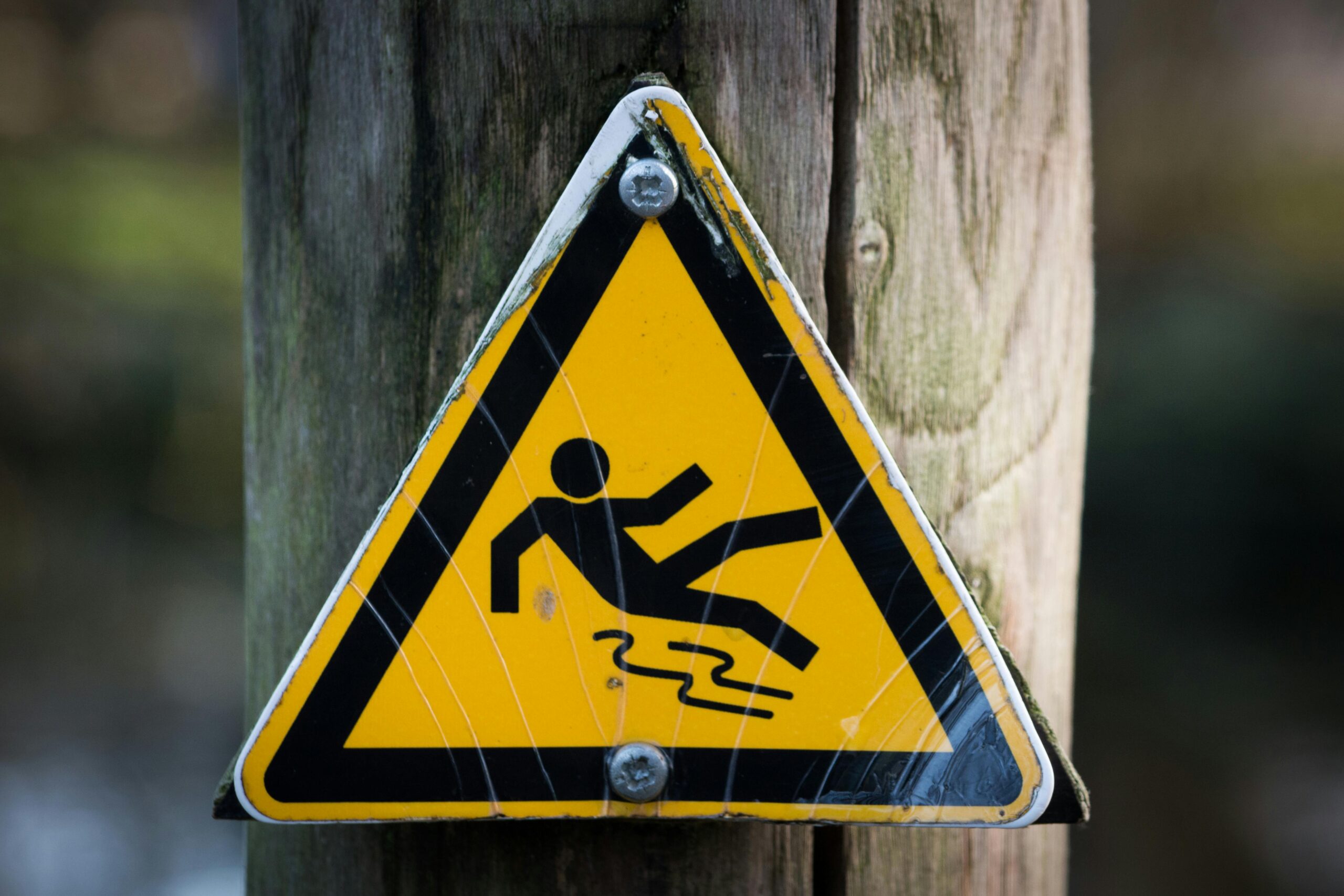
Slip and fall. Trip and fall. They sound similar—and they both involve someone falling and getting hurt. But in the world of personal injury law, the difference between slipping and tripping isn’t just about wording. It can influence how your case is evaluated, who is responsible, and how you pursue compensation.
Whether you fell in a store, on a sidewalk, or inside a private home, knowing the difference between a slip and fall versus a trip and fall can help you better understand your legal options and what’s needed to build a strong claim.
⚖️ Slip and Fall vs. Trip and Fall: The Basics
While both types of falls are part of a category known as premises liability, they involve different types of hazards and mechanics.
🔹 Slip and Fall
Occurs when someone loses traction and falls due to a slick or slippery surface.
Common causes include:
Wet floors (from mopping, spills, or leaks)
Icy or snowy sidewalks
Grease or oil on surfaces
Polished or smooth flooring without proper grip
Lack of warning signs for slick areas
Direction of fall:
Victims typically fall backward in a slip and fall.
🔹 Trip and Fall
Happens when a person’s foot hits an object or uneven surface, causing them to stumble.
Common causes include:
Raised sidewalks or pavement cracks
Loose carpeting or rugs
Exposed wiring or cords
Broken stairs or uneven steps
Clutter or debris in walkways
Direction of fall:
Victims often fall forward in a trip and fall.
🧠 Why the Distinction Matters in a Legal Case
Although the end result—an injury—is similar, the type of fall can affect several aspects of a personal injury claim:
✅ 1. Identifying the Hazard
Slip and fall cases often involve temporary conditions (like spills), so proving how long the hazard was present becomes important.
Trip and fall cases usually involve permanent or visible defects, like a broken step or raised sidewalk.
✅ 2. Proving Negligence
In both types of claims, you must show that the property owner:
Knew or should have known about the hazard
Failed to fix it or warn you in a reasonable amount of time
Their negligence directly caused your fall and injuries
However, trip hazards may be easier to document and prove, since they’re more visible and often exist for a longer time.
✅ 3. Evidence Requirements
In a slip and fall, you’ll likely need:
Surveillance footage showing the condition before and after
Witness testimony on how long the area was wet or untreated
Cleaning or maintenance records
In a trip and fall, the focus is more on:
Photos of the uneven surface or obstruction
Inspection records
Prior complaints or incidents involving the same hazard
🤕 Common Injuries in Slip and Trip and Falls
Fractures (wrist, arm, ankle, hip)
Head injuries or concussions
Back or spinal injuries
Knee or shoulder damage
Cuts, bruises, or lacerations
While any fall can cause harm, slip and fall injuries often result in backward falls, which can lead to head and spinal trauma. Trip and fall injuries, involving forward motion, more commonly affect the hands, face, and knees.
💼 What You Can Recover in a Fall Injury Claim
If your fall was caused by someone else’s negligence, you may be entitled to compensation for:
Medical expenses (ER visits, surgery, therapy)
Lost wages or loss of earning capacity
Pain and suffering
Emotional distress
Long-term disability or disfigurement
An experienced personal injury attorney can help determine the full value of your claim and fight for your rights.
✅ Conclusion: The Details Make the Difference
If you’ve been injured in a fall, don’t get caught up in the semantics—but do understand that how you fell matters. Slip and fall cases and trip and fall cases require slightly different legal strategies, types of evidence, and timelines for action.
Whether you slipped on a wet floor or tripped over a broken sidewalk, you have the right to hold the property owner accountable. The sooner you speak to a personal injury lawyer, the sooner they can begin collecting the evidence needed to build your case.

