

What Victims Need to Know About Liability, Negligence, and Compensation
Elevators and escalators are an everyday convenience—until something goes wrong. Whether in a shopping mall, hotel, office tower, or parking garage, a malfunctioning elevator or escalator can cause serious, even life-altering injuries. When that happens, the key question becomes:
Who is responsible—and can you file a personal injury claim?
The short answer: Yes, in many cases. Property owners, maintenance companies, and manufacturers can all be held liable when negligence plays a role in these accidents. Here’s what you need to know if you or a loved one has been injured by a faulty elevator or escalator in a public or commercial building.
⚠️ How Elevator and Escalator Accidents Happen
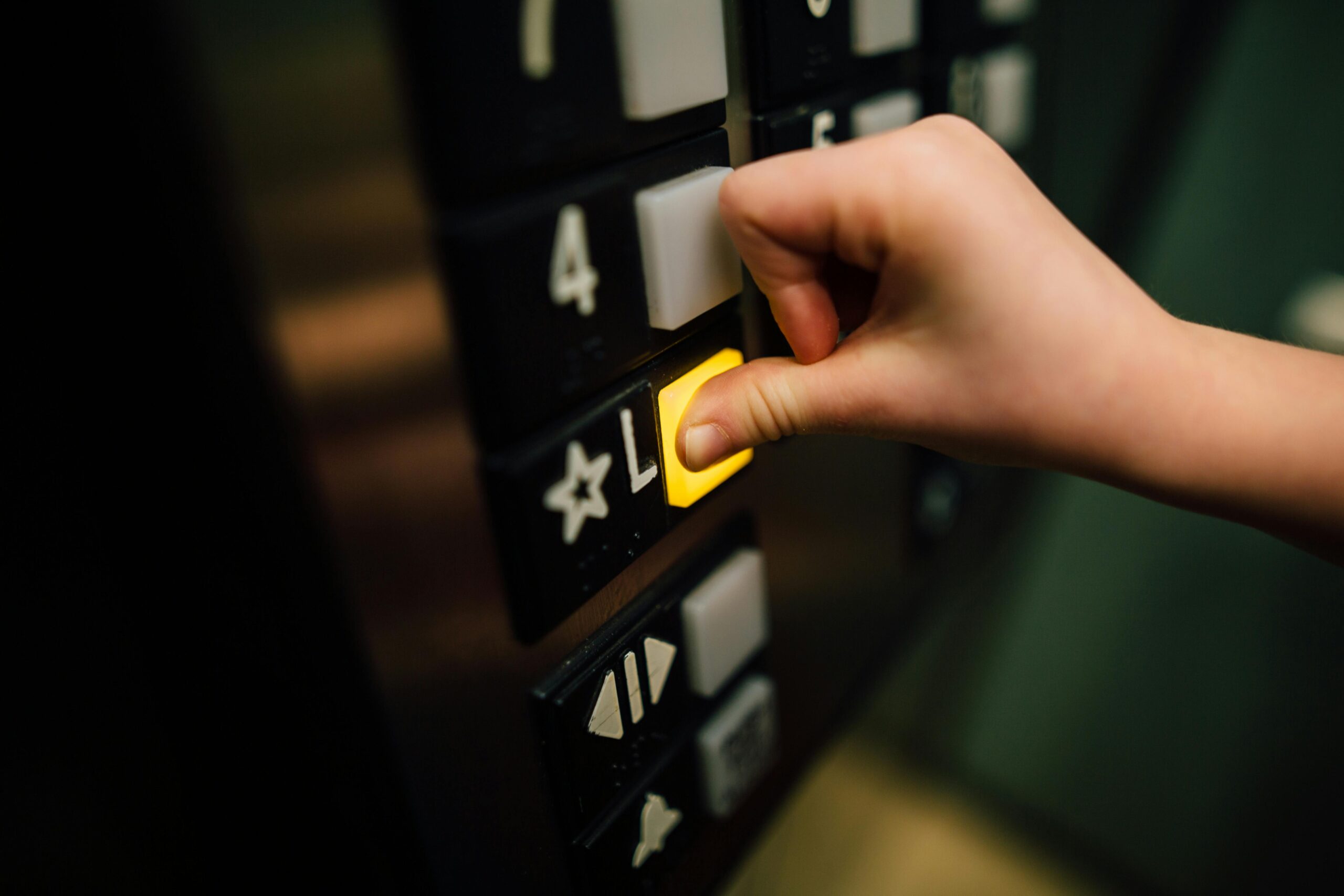
While modern elevators and escalators are heavily regulated and designed with multiple safety systems, they are not immune to mechanical failure or human error. Common causes of accidents include:
Elevator Accidents:
Sudden drops or free falls
Doors closing too quickly or not opening properly
Misalignment with floors (known as “trip and fall gaps”)
Mechanical failure during ascent or descent
Entrapment or being stuck between floors
Faulty sensors or wiring
Escalator Accidents:
Sudden stops or jolts
Loose or missing steps
Entrapment between steps or side panels
Overcrowding or excessive speed
Clothing or shoelaces caught in the mechanism
Inadequate handrail grip or imbalance
These incidents can lead to broken bones, head trauma, spinal injuries, crush injuries, lacerations, and in some extreme cases, fatalities.
🏢 Where These Accidents Commonly Occur
Shopping malls
Office buildings and skyscrapers
Hotels and resorts
Airports and transportation hubs
Hospitals and parking garages
Government buildings
Apartment complexes
Any commercial property with vertical transportation systems has a legal responsibility to ensure they are safe, regularly maintained, and properly inspected.
⚖️ Who Can Be Held Liable?
Several parties may be legally responsible when an elevator or escalator causes harm:
🔹 Property Owners or Managers
Commercial property owners have a legal duty of care to keep their premises safe for visitors. If they ignored known maintenance issues, failed to perform inspections, or allowed unsafe conditions to persist, they may be liable for injuries.
🔹 Maintenance or Inspection Companies
Most property owners hire third-party contractors to maintain and inspect elevators and escalators. If the technicians were negligent—missed a defect, performed substandard repairs, or skipped scheduled maintenance—they may also be named in the claim.
🔹 Manufacturers or Designers
If the malfunction was due to a design flaw or manufacturing defect, the company that made the elevator or escalator could face a product liability claim.
🔹 Security or Cleaning Staff
In some cases, liability may extend to those responsible for daily safety oversight. For example, if someone mopped near an escalator and failed to warn about slippery surfaces, leading to a fall, they may share fault.
🧾 What Must Be Proven in a Personal Injury Claim?
To succeed, your attorney must show that:
A dangerous condition existed
The responsible party knew or should have known about it
They failed to fix or warn about the hazard
That failure directly caused your injuries
You suffered damages (medical bills, lost income, etc.)
📸 What Evidence Can Strengthen Your Case?
Surveillance footage of the accident
Eyewitness statements
Maintenance logs and inspection reports
Manufacturer service bulletins or recalls
Photos of the hazard or equipment
Emergency response records
Medical documentation of your injuries
Preserving this evidence as soon as possible is crucial—especially with commercial properties that may try to shield themselves from liability.
💰 What Compensation May Be Available?
If your injury was caused by a malfunctioning elevator or escalator, you may be entitled to compensation for:
Medical expenses (past and future)
Physical therapy and rehabilitation
Lost wages or reduced earning potential
Pain and suffering
Emotional distress
Long-term disability or disfigurement
Out-of-pocket costs and future care needs
In extreme cases involving gross negligence or known safety violations, punitive damages may also be awarded.
⏳ How Long Do You Have to File a Claim?
In California, the statute of limitations for most personal injury claims is 2 years from the date of the injury. However, evidence can disappear quickly, so it’s important to act fast—especially when dealing with large property management companies or corporate insurers.
✅ Conclusion: You Deserve a Safe Ride—And Justice When It Fails
Elevators and escalators are supposed to make life easier—not more dangerous. If you were injured due to a malfunction or unsafe condition in a mall, office building, or other public space, you have legal rights.
Don’t let property owners or corporations brush off your injury. A skilled personal injury attorney can help uncover the truth, hold the right parties accountable, and secure the compensation you need to heal and move forward.