

Golf may seem like a leisurely and low-risk sport, but accidents on the course are more common than many realize. Whether it’s a flying ball, a swinging club, or even a golf cart collision, personal injuries can and do occur—and when they do, the question becomes: who is legally responsible?
If you’ve been injured at a golf course—whether as a player, spectator, or employee—it’s important to understand your rights, the concept of “assumption of risk,” and when negligence may open the door to a personal injury claim.
🏌️ Common Golf Course Injuries
Golf course injuries often result from more than just errant swings. Some of the most common incidents include:
Being struck by a stray golf ball
Accidental contact with another player’s club
Slip and falls on wet grass, uneven terrain, or poorly maintained paths
Golf cart collisions or rollovers
Lack of signage for dangerous areas (e.g., water hazards, steep slopes)
Falling objects from elevated tees or driving ranges
While some of these may be unavoidable, others stem from poor safety practices—and that’s where liability becomes relevant.
⚖️ Assumption of Risk vs. Negligence
Golf courses may try to limit liability by arguing that injured individuals “assumed the risk.” In other words, by stepping onto the course, you accepted that there’s a chance of being hit or injured.
However, assumption of risk doesn’t protect a golf course or player from all responsibility. If negligence contributed to the injury, a personal injury claim may still be valid.
For example:
A player ignores course etiquette and hits without checking if the path is clear
A course fails to warn about blind tee shots or overlapping fairways
Staff fail to maintain walkways, leading to a slip and fall
A golf cart’s brakes malfunction due to poor maintenance
👤 Who Can Be Held Liable?
Depending on the situation, several parties may share legal responsibility:
1. Another Golfer
If a golfer acted recklessly—like hitting into a group ahead or swinging without checking surroundings—they could be held liable for injuries caused by their carelessness.
2. The Golf Course Owner or Operator
Golf courses have a duty to maintain safe premises. If the injury was caused by poor design, inadequate signage, faulty equipment, or lack of maintenance, the course itself may be liable.
3. Golf Instructors or Staff
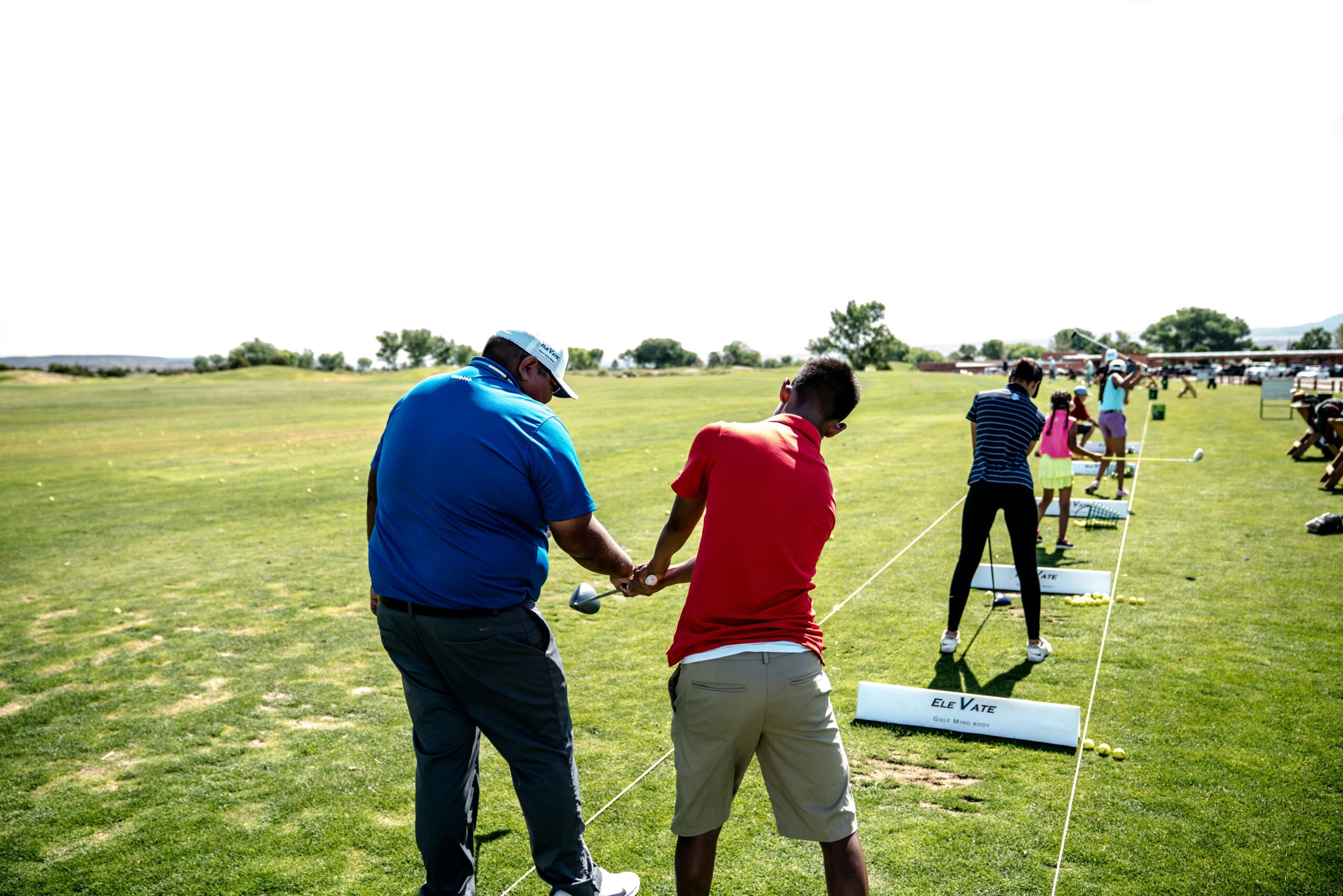
If you were injured during a lesson or staff demonstration, the trainer or course management may be at fault—especially if safety precautions weren’t followed.
📸 What to Do If You’re Injured on a Golf Course
If you’re injured during a round, follow these steps to protect your health and your legal rights:
Seek medical attention immediately, even for seemingly minor injuries
Report the incident to course management and ask for a copy of the incident report
Take photos of the injury location and any contributing hazards (e.g., wet paths, broken signage)
Get witness statements, if possible
Preserve evidence, including scorecards, video footage, or golf cart logs
Consult an experienced personal injury attorney to evaluate your case
💼 Can You Sue for Golf Course Injuries?
Yes, in many cases. If negligence by another player, staff member, or the course itself played a role in your injury, you may be eligible to pursue compensation for:
Medical bills
Lost income
Pain and suffering
Long-term rehabilitation costs
Golf courses often carry liability insurance, but claims must be well-documented and supported by evidence of negligence—not just bad luck.
🏁 Final Thoughts
Being injured at a golf course can turn a relaxing outing into a stressful ordeal. But just because golf carries inherent risks doesn’t mean victims are without legal recourse. When injuries are the result of poor safety practices or reckless behavior, those responsible can and should be held accountable.
If you or a loved one has been hurt while playing golf or walking the course, an experienced personal injury lawyer can help you understand your rights and guide you toward fair compensation.